Quinta da Dourada 酒店位于圣马梅德自然公园 (São Mamede Natural Park) 的中心地带,为大自然爱好者提供宁静的休憩之所。 这座环保型农舍荣获绿色钥匙奖,提供宽敞的花园和乡村风格的住宿。 该物业的主农舍提供带液晶电视和木制家具的客房和套房。 公共用餐区设有壁炉,还有一个公共休息室,您可以在那里与其他客人一起放松身心。 Quinta da Dourada 设有季节性室外游泳池、儿童游乐场和乒乓球桌。 客人可以散步欣赏周围的优美景色。 农舍内提供免费无线网络和免费停车位。
夫妻/情侣特别喜欢这家住宿的位置,为两人住宿体验给出了9.2分。
住宿简介中的距离计算使用的是© OpenStreetMap
热门设施/服务
- 室外泳池
- 免费停车
- 基础免费WiFi(14兆比特每秒)
- 家庭间
- 禁烟客房
- 机场班车
- 无障碍设施
- 所有客房均提供沏茶/咖啡设备
- 酒吧

住客点评
单项评分:
员工素质
设施/服务
清洁程度
舒适程度
性价比
位置
免费WiFi
在这里住过的客人好评

En
 葡萄牙
葡萄牙“安静,自在,食物准备的充足,室内装修是我喜欢的乡村风格,房东免费给我们升级了房间。我和我女儿特别喜欢hugo,它友善,懂事,也很遵守规则,喜欢狗的朋友可以好好关爱它。这是一个亲近大自然和动物的地方。我们喜欢这里”

David
 英国
英国“Super friendly staff. Very peaceful, rural location. Quaint and characterful. Decent range of food for breakfast and handy self catering facilities in room.”
Izabela
葡萄牙“The outdoor space was incredible! My daughter couldn't get enough of the pool! Having so many different settings, the sheep, the dog - provided plenty of entertainment for the little one (which was the goal). The breakfast was good (the staff puts...”
Christoph
 哥伦比亚
哥伦比亚“All fantastic! Calm, cozy, comfi, luxurious...”
Michel
 荷兰
荷兰“We had a wonderful one-night stay at this peaceful gem. The owner was warm and welcoming, and we really appreciated the great conversations. The pool area was perfect for relaxing with a glass of their wine after a long drive. Dinner and breakfast...”
Roger
葡萄牙“The place is very beautiful and quiet.”
Brendan
英国“Rustic traditional. This is a traditional Quinta. Don’t expect multiple staff catering to your every need or room service at 11 at nigh. It’s a small but wonderful place with great amenities in a rural setting. I had my morning walk with the...”
Miguel
葡萄牙“Peaceful location, comfortable place, great bed.”

Maria
葡萄牙“The breakfast was very good with a lot of variaty”

Brian
 西班牙
西班牙“My wife and I had a wonderful stay, everything was just right 👍”
品质评级
从住宿设施、面积、位置和服务等方面衡量,Booking.com给予这家住宿的品质评级为4级(共5级)。
房东:Nuno Malato Correia
9.6
房东评分
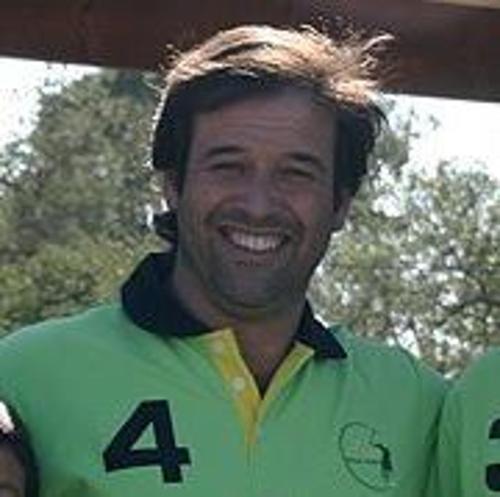
Nuno Malato Correia
A Quinta está na posse da Famíla desde 1835.Antiga casa de empregados que prestavam apoio à família, foi recuperada, mantendo as caracteristicas próprias deste tipo de propriedades mas com todo o conforto necessário para uma estada confortável e tran
Nasci em Portalegre onde estudei e vivi até 1988. Por compromissos profissionais e estudantis mudei-me para Lisboa, até 208. Cansado de uma vida agitada, como DGeral e depois CO ,decidir voltar ás origens, e recuperar uma Quinta patrimonio da família
Castelo de Vide
Castelo de Vide is a charming Alentejo village, located in a hill in the São Mamede Mountain range, in a place blessed by nature.
The pituresque white houses come up and down the hill, with the Castle at the top, where centuries of history have left its legacy.
This is a region of ancient human occupation and several megalithic monuments were discovered, like the interesting Meada Menhir.
Castelo de Vide has a luxuriant vegetation, it is considered to be the most Romantic town of the Alentejo, a region that is known for its plain dry terrains.
There are several highlights in this beautiful town, like the gorgeous high Castle providing wonderful panoramas all around, but also other spots like the Jewish old quarter, one of the most important and well preserved examples of the Jewish presence in Portugal, dating back from the 13th century, and housing as well one of the biggest gothic civil architectural sets.
In the magnificent D. Pedro V Square is located the lovely São João Baptista Church, the Hospital, the Matriz Church and the Town Hall, surrounded by some elegant manor houses.
In front of Castelo de Vide is located the hill where the lovely Nossa Senhora da Penha Chapel is situated, providing a wonderful landscape over the village and the surrounding natural panorama.
Castelo de Vide is a quite traditional Village, that cherish its own costumes and festivities, that are intensively lived by the local inhabitants, like during Easter time and Carnival.
The Gastronomy is also very rich and traditional, with typical Alentejo dishes like the “Sarapatel” (elaborated with lamb’s or goat-kid’s offal), or many bread based dishes, usually cooked with olive oil and garlic, like the “Ensopado”, the “Migas” or the “Açorda”. Different types of sausages and smoked ham are also quite typical, and many liquors are produced with the fruits of the region.
使用语言:英语,西班牙语,法语,葡萄牙语
住宿周边
餐厅美食
内设1家餐厅
Restaurante #1
- 菜肴葡萄牙风味
住宿规定
大金塔杜拉达酒店可接受特别要求,别忘了在下一步填写哦!
入住时间
下午3:00 - 上午12:00
您需提前告诉住宿您预计的抵达时间。
退房时间
上午11:00前
预订取消/ 预付政策
取消和预付款政策根据住宿产品的类型而有所不同。请输入你的住宿日期,并查看所需选项的相关条件。
儿童及加床政策
一般儿童政策
欢迎任何年龄的儿童入住
如需查看确切价格和入住信息,请在搜索条件中添加同行儿童人数和年龄。
婴儿床和加床政策
0 - 1岁
加床(按需提供)
每名儿童每晚需€ 5
婴儿床(按需提供)
免费
2 - 3岁
加床(按需提供)
每名儿童每晚需€ 5
4 - 12岁
加床(按需提供)
每名儿童每晚需€ 15
13岁以上
加床(按需提供)
每人每晚€ 20
婴儿床和加床价格不包含在总价内,需到店另行支付。
允许的加床和婴儿床数量取决于您的选项。请查看所选房型获取更多信息。
所有婴儿床及加床需视供应情况而定。
无年龄限制
入住客人无年龄限制要求
宠物
客人可携带宠物入住。 住宿方可能会收取额外费用。
住宿接受的付款方式

派对
禁止举办派对/活动
预订须知
此住宿的住客须知
请注意,客人必须在预订当天通过银行转帐全额支付首晚房价作为押金。度假屋将与客人联系并提供详细信息。度假屋将在客人登记入住时以现金收取余款。
请您提前告知Quinta da Dourada您的预计抵达时间。您可以在预订时在“特殊要求”栏内注明,也可以直接联系住宿,订单确认信中附有联系方式。
您须在入住前通过银行转账方式向住宿付款。住宿会在您预订后与您联系并提供关于银行转账的说明。
该住宿不允许举办男性聚会、女性聚会或类似的聚会。
为应对新冠肺炎(COVID-19)疫情,该住宿当前正在采取额外的安全与卫生措施。
经营许可证号:RNET 8934




 沪公网安备 31010602003631号